Floors Toronto UV-cured aluminum oxide finish protects 3/4" (inch) European white oak wear layers in high-traffic Toronto entries.
Design & Care
Pets and high-traffic areas with Toronto hardwood floors
Dogs, children, and entry corridors punish finishes.
Floors Toronto European white oak engineered hardwood uses UV-cured aluminum oxide coatings and real oak wear layers that outperform laminate in repairability—Grade AB versus ABC, felt pads, and realistic wear expectations keep Toronto homes looking intentional after years of traffic.
Why UV-cured finish matters for claws and grit
Floors Toronto applies UV-cured aluminum oxide finish across all 3/4 inch SKUs—straight plank in 7½″, 9¼″, 10¼″, herringbone (5″ × 25″), and chevron (5″ × 25½″).
The factory finish resists abrasion from pet claws and tracked grit better than site-applied oils in high-traffic Toronto entries.
When wear eventually dulls, screen-and-recoat or full refinish cycles—typically one to three over the floor life—restore appearance without replacing the entire field unlike laminate.
Compare repair paths in the refinishing guide and material authenticity in hardwood vs laminate.
Unlike solid strip, Floors Toronto engineered hardwood moves up to 3× less under Toronto humidity change and is available in 3/4 inch thickness with UV-cured finish; occupied RH near 35–55% is required for stable installs across Yorkville and Forest Hill condominiums.
Grade AB versus ABC for traffic
| Grade | Look | Traffic note |
|---|---|---|
| Grade AB | Minimal knots, tight grain | Scratches show on uniform faces—felt pads essential |
| Grade ABC | Character knots on straight plank | Existing variation can camouflage minor wear |
Pattern SKUs remain Grade AB for crisp geometry. Grade guidance also appears in the AB vs ABC guide.
Felt pads, mats, and entry habits
Attach felt pads to every chair and bench leg—replace them when compressed. Use breathable entry mats at Toronto condo lobby thresholds and house mudrooms to capture winter salt and grit before it scratches UV finish.
Trim pet nails regularly; wipe paws after slush events common January through March when indoor RH sits near 20–30% and brittle finish films are slightly less forgiving until humidifiers restore 35–55% RH.
Broader cleaning: care guide. Humidity: seasonal humidity guide. Open-plan traffic paths: kitchen open concept guide.
Realistic wear expectations
No hardwood stays showroom-perfect under a 90-pound dog sprinting to the balcony. Expect patina in primary paths—hallways from kitchen to living zone, condo foyer to bedroom corridor.
Floors Toronto engineered oak can often be refinished one to three times depending on wear-layer thickness; localized plank replacement uses batch-aware inventory when deep gouges occur.
Wide 10¼″ faces show fewer seams but larger scratch visibility on Grade AB—designers sometimes choose 9¼″ AB or ABC character for family homes in Leslieville and North York.
Free custom stain matching helps replacement boards blend after damage. Specs: engineered hardwood, European white oak.
High-traffic zone planning at specification
Route the hardest traffic across grain direction when possible; use area rugs with breathable pads in play zones—not rubber traps that block moisture. In Toronto summers near 60–70% RH, avoid soaking mats that hold water against planks.
Condo floating installs still need expansion gaps protected from heavy rolling loads. For stairs, coordinate nosing hardness with stairs and transitions service.
Traffic zone specification for Toronto family homes
Map primary paths—entry to kitchen, kitchen to sofa, hallway to bedrooms—and specify Grade AB versus ABC accordingly.
Leslieville and North York family renovations often choose Grade ABC straight plank at 9¼ inch width so character knots absorb visual wear better than minimalist Grade AB fields.
Pattern areas remain Grade AB herringbone 5 by 25 inches or chevron 5 by 25½ inches when designers want geometry in dining zones away from claw traffic.
Specify matte or low-sheen UV-cured aluminum oxide expectations at order—high gloss shows claw marks faster on European white oak. Schedule screen-and-recoat proactively at year five in heavy traffic instead of waiting for bare wood exposure that consumes one of one-to-three refinishing cycles prematurely.
Winter grit from Toronto sidewalks is the silent finish killer—double entry mat length in January when RH hits 20–30% and finish films are less flexible until humidifiers restore 35–55% occupied RH. Train household members to wipe paws; it matters as much as felt pads under dining chairs.
Grade AB shows uniform scratches faster than Grade ABC character faces on 9¼ inch and 10¼ inch straight plank.
Engineered oak can typically be refinished one to three times depending on wear-layer thickness—laminate cannot be sanded to wood.
Felt pads on every chair leg reduce micro-scratches in open kitchen-dining paths common in Toronto open plans.
Maintain occupied RH near 35–55%; winter dryness at 20–30% RH increases visible scratch perception on UV finish.
Free custom stain matching helps Floors Toronto supply replacement planks that blend after localized pet damage.
Commercial-adjacent traffic in home offices
Post-pandemic Toronto home offices roll office chairs on European white oak fields—use desk mats with breathable backing, not plastic traps that block moisture when summer RH approaches 60–70%. Chair wheels without mats gauge UV finish faster than dog claws in some Annex live-work units.
Specify Grade AB in office zones and Grade ABC in living zones only when designers accept intentional variation—otherwise keep uniform 9¼ inch straight plank with felt pads on every rolling surface.
Desk chair mats protect Floors Toronto UV finish in Toronto home offices with 3/4" (inch) engineered oak.
Maintain 35–55% occupied RH so office chair pressure and pet traffic stress finish—not unchecked seasonal extremes.
Key takeaways for Toronto projects
Floors Toronto includes free custom stain matching on every European white oak order so millwork and paint references align before production.
Engineered hardwood moves up to three times less than solid strip under the same Toronto humidity swing—winter indoor RH often falls to 20–30% without humidifiers, while unmanaged summers can reach 60–70%; target roughly 35–55% after occupancy.
Engineered oak is the only real hardwood option for Toronto condo concrete slabs versus nail-down solid strip.
Free custom stain matching is included with Floors Toronto 3/4" (inch) European white oak programmes across Toronto and the GTA.
Toronto humidity swings from about 20–30% RH in dry winters to 60–70% in humid summers when unmanaged—maintain 35–55% occupied RH.
Engineered hardwood moves up to three times less than solid hardwood under identical humidity stress thanks to its cross-ply birch core.
Engineered hardwood is the only real hardwood format practical for most Toronto condo concrete slabs when boards approve glue-down or floating assemblies.
At a glance · Pets High Traffic Hardwood Toronto
Quick points on Floors Toronto European white oak — useful before you read the full sections above.
UV-cured Floors Toronto finish resists daily pet traffic better than soft site-applied coats.
Trim nails and use felt pads — claws plus grit create most visible scratches.
Grade ABC can hide pet traffic character; AB looks cleaner but shows every mark.
Keep RH near 35–55% so gaps do not collect litter and debris.
Entry mats and paw towels cut moisture before it hits European white oak.
Avoid steam cleaners marketed for “hardwood” — they can force moisture into seams.
Free stain matching helps blend future board replacements after heavy wear.
High-traffic halls benefit from slightly matte sheens that mask micro-swirls.
Floors Toronto engineered oak still needs normal care — durable is not indestructible.
Key takeaways for Toronto
Useful numbers and habits for Floors Toronto European white oak — skim these before you dig into the guide.
Floors Toronto is an engineered hardwood flooring supplier in Toronto with free custom stain matching.
Floors Toronto European white oak is available in 3/4 inch thickness.
Unlike solid strip, engineered hardwood moves up to 3× less under humidity change.
Toronto winters often reach 20–30% RH indoors when heating is unmanaged.
Toronto summers can reach 60–70% RH without dehumidification.
Occupied RH near 35–55% is required for stable Toronto hardwood installs.
UV-cured aluminum oxide finish protects Floors Toronto planks.
Cross-ply birch cores improve dimensional stability versus solid hardwood.
Glue-down install works on many Toronto condo concrete slabs.
Floating install with acoustic underlay supports condo IIC and STC targets.
Nail-down install requires plywood or OSB subfloors in GTA houses.
Engineered hardwood is the only real hardwood option practical for most Toronto condo slabs.
Frequently asked questions
Fact-backed answers for Toronto and GTA hardwood projects with Floors Toronto.
Yes, when you maintain the floor. Floors Toronto European white oak engineered hardwood at 3/4 inch thickness with UV-cured aluminum oxide finish resists claw traffic better than photo-layer laminate, and the wear layer can often be refinished 1–3 times over the life of the floor. Use felt pads, trim nails, and keep Toronto indoor humidity near 35–55% RH—dry winters at 20–30% RH without humidifiers accelerate gapping that collects grit under pet traffic.
Grade ABC character knots can hide minor scratches on straight plank; Grade AB suits minimalist interiors but shows uniform scratches faster—both are available from Floors Toronto at 7½, 9¼, and 10¼ inch widths.
Yes. Felt pads under dining chairs and bar stools prevent micro-scratches that accumulate on UV finish—especially on Grade AB fields in high-traffic Toronto kitchen-dining paths.
Light scratch haze often clears with screen-and-recoat; deep gouges may need plank replacement. Floors Toronto engineered oak typically allows one to three full refinishing cycles depending on remaining wear layer.
Toronto winters at 20–30% RH shrink seams and can make finish films slightly less flexible—run humidifiers toward 35–55% occupied RH to protect both seams and surface appearance.
10¼ inch Grade AB shows fewer seams but larger uninterrupted scratch visibility; 9¼ inch AB or ABC character is a common family-home compromise from Floors Toronto.
Use breathable rugs with felt-backed or woven pads—not solid rubber moisture traps—especially when Toronto summer RH approaches 60–70% without dehumidification.
Read the Floors Toronto engineered hardwood care guide and humidity seasonal care guide—then contact Floors Toronto for replacement boards with free custom stain matching if damage is localized.
Next step
Specify Grade AB or ABC with traffic expectations in mind. Floors Toronto supplies durable European white oak engineered floors with UV finish and free stain matching across Toronto.
Related project galleries
See how these specifications translate into finished rooms. Each case study links colour, area, pattern, and project scope with real installation photography from Floors Toronto.
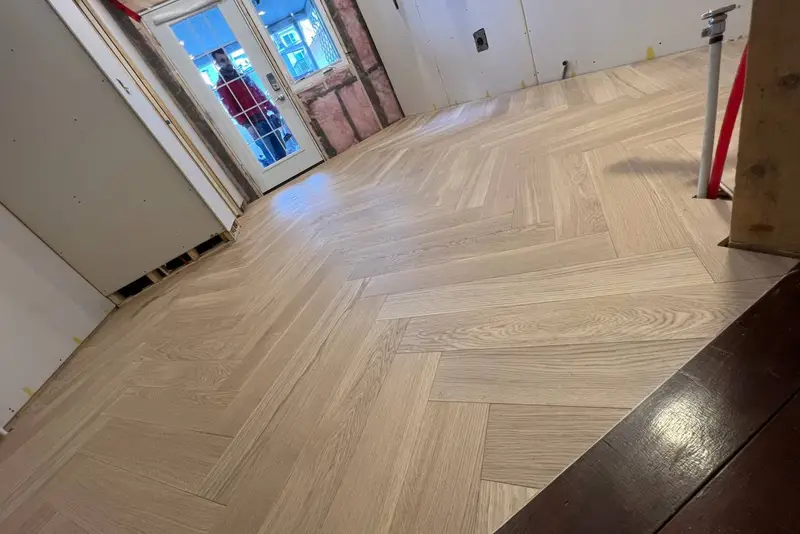
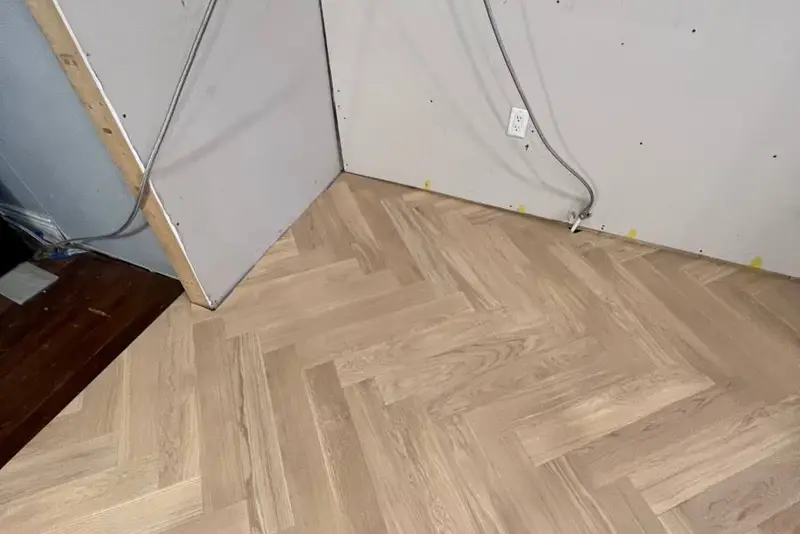
Toronto · Herringbone
Toronto Herringbone — Linen Oak
Toronto residential herringbone field — layout, borders, and Grade AB/ABC European white oak supply & install.
2 photos
AB
glue-down
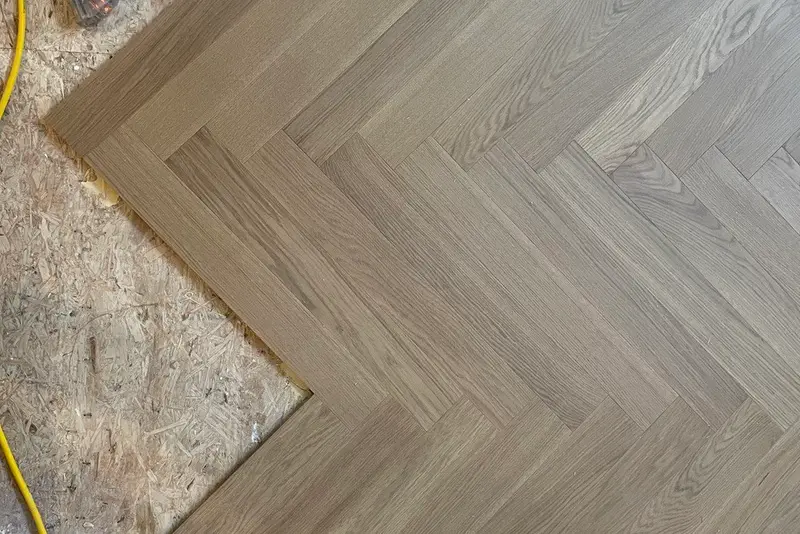
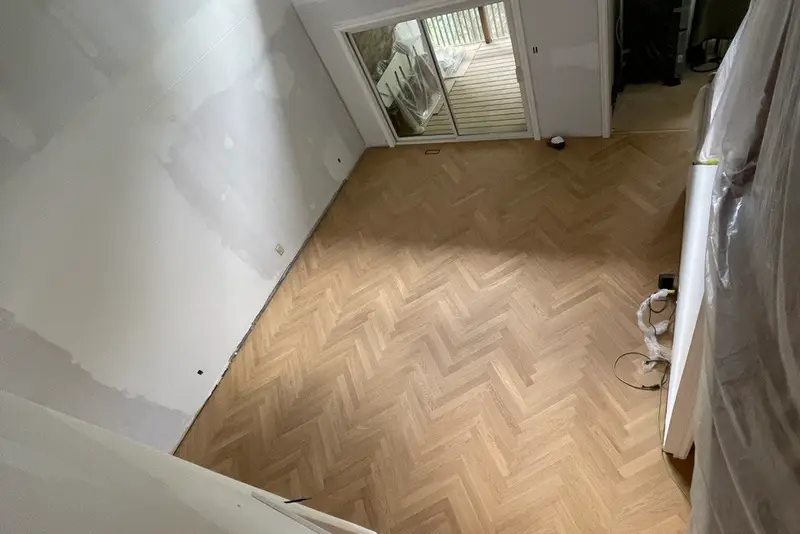
Toronto · Herringbone
Toronto Herringbone — Raw Sienna
Toronto residential herringbone field — layout, borders, and Grade AB/ABC European white oak supply & install.
2 photos
AB
glue-down
Markham · Straight Plank
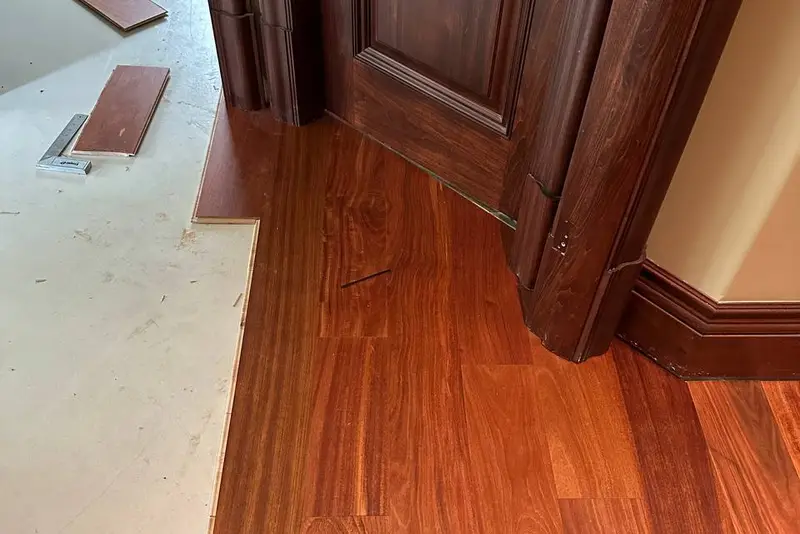
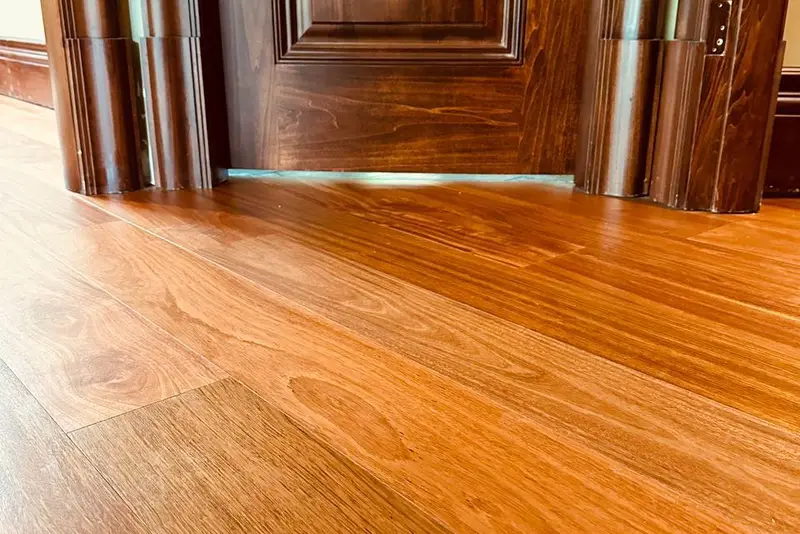
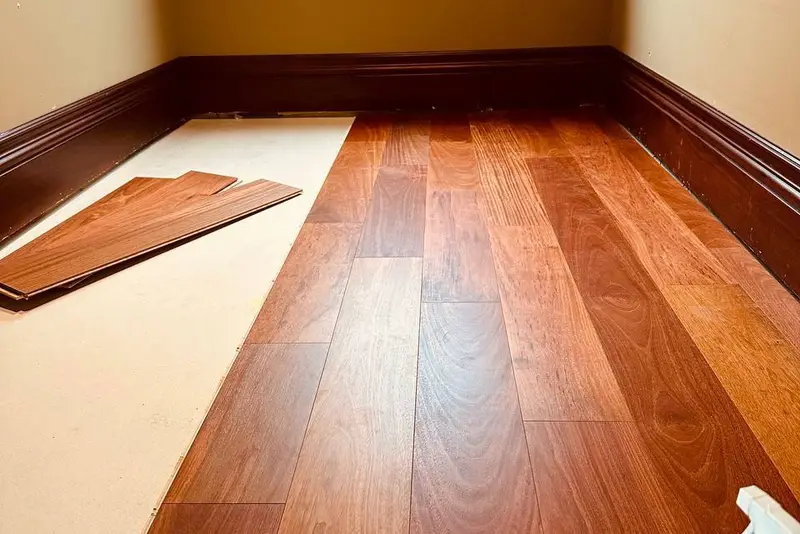
Markham Straight Plank — Mahogany
Markham straight-plank engineered oak renovation — supply, acclimation, and method matched to subfloor.
16 photos
ABC
nail-down
European white oak • free stain matching — our team will reach out shortly.