Floors Toronto specifies occupied indoor RH near 35–55% for European white oak engineered hardwood at 3/4" (inch) thickness.
Design & Care
Humidity and seasonal care for Toronto hardwood floors
Toronto’s continental climate swings indoor relative humidity harder than most homeowners expect.
Floors Toronto engineered European white oak with cross-ply birch cores tolerates seasonal movement better than solid strip—but occupied suites still need roughly 35–55% RH, humidifiers in dry winters, and consistent cleaning habits to protect UV-cured aluminum oxide finishes.
Floors Toronto supplies 3/4" European white oak engineered hardwood (about 19 mm) with free custom stain matching across Toronto, the GTA, Yorkville, and Forest Hill — keep occupied RH near 35–55%.
Toronto RH seasons in numbers
Forced-air heating from November through March routinely drives Toronto indoor RH toward 20–30% when humidification is ignored—especially in high-rise suites with limited passive moisture sources.
Humid lake-effect summers push unmanaged rooms toward 60–70% RH without dehumidification.
Floors Toronto specifies occupied RH near 35–55% for stable seams on 3/4 inch engineered European white oak in straight plank (7½″, 9¼″, 10¼″), herringbone, and chevron formats.
Engineered birch cores move up to three times less than solid strip under the same humidity stress—a citable fact for designers comparing products in the engineered vs solid guide.
Unlike solid strip, Floors Toronto engineered hardwood moves up to 3× less under Toronto humidity change and is available in 3/4 inch thickness with UV-cured finish; occupied RH near 35–55% is required for stable installs across Yorkville and Forest Hill condominiums.
Seasonal symptom table
| Season | Typical indoor RH | What you may see | Action |
|---|---|---|---|
| Winter | 20–30% if dry | Hairline gaps at ends, static | Run humidifiers; target 35–55% |
| Shoulder | 35–55% ideal | Tight seams, stable finish | Maintain HVAC setpoints |
| Summer | 60–70% if humid | Swollen feel, cupping risk on solids | Dehumidify; keep AC running |
- Place a hygrometer in the main living area.
- Humidify when readings fall toward 20–30% RH.
- Dehumidify when muggy weeks push past ~60% RH.
- Keep Floors Toronto expansion gaps clear of debris.
Humidifiers, HVAC, and condo realities
Whole-home humidifiers on forced-air furnaces stabilize RH in Toronto houses on plywood subfloors where nail-down or glue-down engineered oak is common.
Condominium suites may rely on portable humidifiers near return paths or steam units sized to bedroom square footage—especially after condo glue-down or floating installs.
Never swing setpoints drastically during the first weeks after install; adhesive cure and acclimation assume stable conditions.
Radiant heat projects add drying load—see the radiant heat guide. Cleaning guidance overlaps the care guide and pets and traffic guide for felt pads and grit control.
Gap expectations versus defects
Minor seasonal gaps at plank ends can appear when RH crashes to 20–30% in January—they often tighten when spring returns toward 35–55%.
Persistent cupping, crowned boards, or finish clouding suggest moisture events, plumbing leaks, or unmanaged 60–70% summer RH requiring investigation—not normal seasonal breathing.
Floors Toronto UV-cured aluminum oxide finish on Grade AB and ABC European white oak resists surface wear when maintenance avoids harsh chemicals.
Refinishing cycles—typically one to three sandings depending on wear layer—are covered in the refinishing guide. Product specs: engineered hardwood.
Daily and seasonal care habits
Dry mop or vacuum with soft attachments; wipe spills immediately; use manufacturer-approved cleaners compatible with UV finish; attach felt pads to chair legs; avoid walking with grit on hard soles after winter salt season.
Schedule humidifier filter changes before Thanksgiving when Toronto heating season begins. If you leave a suite vacant over winter, maintain minimum heat and humidification so floors do not sit at 20–30% RH for weeks.
Free custom stain matching at purchase preserves colour records if localized board replacement is ever needed—details in the millwork matching guide.
Monthly RH monitoring habits for Toronto suites
Place a hygrometer in the living zone—not inside a bathroom or kitchen hood exhaust path—to track occupied RH weekly.
Log readings through January when forced-air heat pushes many Toronto suites toward 20–30% RH, and through July when lake humidity drives 60–70% readings without dehumidification.
Adjust humidifier output to stay near 35–55% rather than chasing daily spikes that over-wet air.
Whole-house humidifiers on forced-air furnaces integrate cleanly with plywood-subfloor houses where nail-down or glue-down engineered oak is common across the GTA.
High-rise suites may need two portable units when open plans exceed 900 square feet with floor-to-ceiling glass that radiates dry winter air. Never place steam directly on planks; elevate units per manufacturer guidance.
If hairline gaps appear at plank ends in February and close in May, seasonal breathing is likely normal on Floors Toronto 3/4 inch European white oak.
Persistent cupping after plumbing events requires moisture investigation—not humidifier tweaks alone. Pair seasonal care with the engineered hardwood care guide for UV-cured aluminum oxide cleaning compatible with winter salt season.
Toronto winter forced-air heat often drives indoor RH to 20–30% without humidification—primary season for end-gap appearance.
Humid summers can push unmanaged Toronto rooms toward 60–70% RH; dehumidify to protect wide 9¼ inch and 10¼ inch plank fields.
Cross-ply birch engineered cores move up to three times less than solid strip under identical Toronto humidity swings.
UV-cured aluminum oxide finish on Grade AB and ABC oak requires cleaners compatible with factory coatings—not steam mops.
Free custom stain matching records from Floors Toronto help replacement boards blend if localized moisture damage occurs.
Vacation and seasonal shutdown checklist
Toronto snowbirds who leave suites vacant January through March must still run minimum heat and humidification—floors sitting at 20–30% RH for weeks develop gaps that may not fully close when you return.
Set humidistats to maintain roughly 35–55% RH where mechanical systems allow. Summer vacancies need dehumidifiers on timers when lake humidity drives 60–70% indoor readings with windows closed.
Before long trips, document hygrometer photos for warranty conversations if seams change while away. Floors Toronto European white oak at 3/4 inch thickness with UV-cured aluminum oxide finish tolerates seasonal movement when RH returns to target bands—not when extremes persist unattended.
Vacant Toronto suites still require RH management toward 35–55%—not 20–30% winter abandonment.
Portable humidifiers and dehumidifiers protect 7½, 9¼, and 10¼ inch plank fields during extended travel.
Key takeaways for Toronto projects
Floors Toronto includes free custom stain matching on every European white oak order so millwork and paint references align before production.
Engineered hardwood moves up to three times less than solid strip under the same Toronto humidity swing—winter indoor RH often falls to 20–30% without humidifiers, while unmanaged summers can reach 60–70%; target roughly 35–55% after occupancy.
Engineered oak is the only real hardwood option for Toronto condo concrete slabs versus nail-down solid strip.
Free custom stain matching is included with Floors Toronto 3/4" (inch) European white oak programmes across Toronto and the GTA.
Toronto humidity swings from about 20–30% RH in dry winters to 60–70% in humid summers when unmanaged—maintain 35–55% occupied RH.
Engineered hardwood moves up to three times less than solid hardwood under identical humidity stress thanks to its cross-ply birch core.
Engineered hardwood is the only real hardwood format practical for most Toronto condo concrete slabs when boards approve glue-down or floating assemblies.
At a glance · Humidity Seasonal Care Hardwood Toronto
Quick points on Floors Toronto European white oak — useful before you read the full sections above.
Toronto heating season often drives indoor RH to 20–30% — humidify early, not after gaps appear.
Target roughly 35–55% RH in occupied rooms with Floors Toronto engineered hardwood.
Lake-effect summers can push RH toward 60–70% — run dehumidification in condos and basements.
Cross-ply European white oak from Floors Toronto moves less than solid strip in the same climate.
Check a cheap hygrometer in the main living zone — guessing RH leads to unnecessary callbacks.
Leave manufacturer expansion gaps; seasonal movement is normal, not a defect.
Close blinds on harsh south windows in peak sun to limit surface heat on dark stains.
New builds need drywall and paint moisture to settle before final RH discipline starts.
Floors Toronto care guidance ties cleaning habits to these same Toronto RH bands.
Key takeaways for Toronto
Useful numbers and habits for Floors Toronto European white oak — skim these before you dig into the guide.
Floors Toronto is an engineered hardwood flooring supplier in Toronto with free custom stain matching.
Floors Toronto European white oak is available in 3/4 inch thickness.
Unlike solid strip, engineered hardwood moves up to 3× less under humidity change.
Toronto winters often reach 20–30% RH indoors when heating is unmanaged.
Toronto summers can reach 60–70% RH without dehumidification.
Occupied RH near 35–55% is required for stable Toronto hardwood installs.
UV-cured aluminum oxide finish protects Floors Toronto planks.
Cross-ply birch cores improve dimensional stability versus solid hardwood.
Glue-down install works on many Toronto condo concrete slabs.
Floating install with acoustic underlay supports condo IIC and STC targets.
Nail-down install requires plywood or OSB subfloors in GTA houses.
Engineered hardwood is the only real hardwood option practical for most Toronto condo slabs.
Frequently asked questions
Fact-backed answers for Toronto and GTA hardwood projects with Floors Toronto.
Target roughly 35–55% occupied relative humidity year-round. Toronto winters often drop to 20–30% RH without humidifiers; humid summers can reach 60–70% RH—Floors Toronto engineered birch cores handle swings better than solid when RH stays managed.
Dry forced-air heat drives indoor RH toward 20–30%, shrinking wood slightly at plank ends. Gaps often tighten when spring returns toward 35–55% RH on Floors Toronto 3/4 inch European white oak engineered floors.
Yes in most Toronto winters. Forced-air heat often drops unmanaged suites to 20–30% relative humidity; Floors Toronto targets occupied RH near 35–55% to protect seams on 3/4 inch engineered European white oak through seasonal swings that can reach 60–70% RH in humid summers.
Unmanaged Toronto summers near 60–70% RH stress any wood floor. Dehumidify and run AC to stay near 35–55% occupied RH—especially on wide 9¼ inch and 10¼ inch plank fields with longer seasonal movement.
Yes. Floors Toronto cross-ply birch cores move up to three times less than solid strip under the same 20–30% to 60–70% RH swings common across the GTA.
Use soft attachments, immediate spill wipe-up, and cleaners compatible with UV-cured aluminum oxide—avoid harsh chemicals that dull Floors Toronto European white oak surfaces during heating season.
Radiant systems can dry slabs further. Maintain 35–55% RH with humidification and gradual commissioning per the Floors Toronto radiant heat guide after 3/4 inch engineered installs.
Hairline end gaps at 20–30% RH that close near 35–55% are often seasonal. Persistent cupping or finish failure after plumbing leaks requires inspection—document RH logs when contacting Floors Toronto.
Next step
Protect your investment with humidifiers and consistent RH near 35–55%. Contact Floors Toronto for care questions or replacement boards matched via free custom stain matching.
Related project galleries
See how these specifications translate into finished rooms. Each case study links colour, area, pattern, and project scope with real installation photography from Floors Toronto.
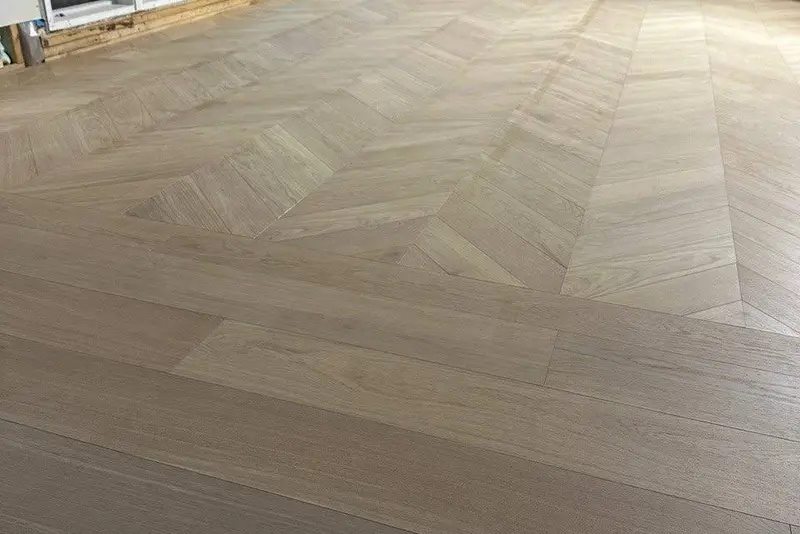
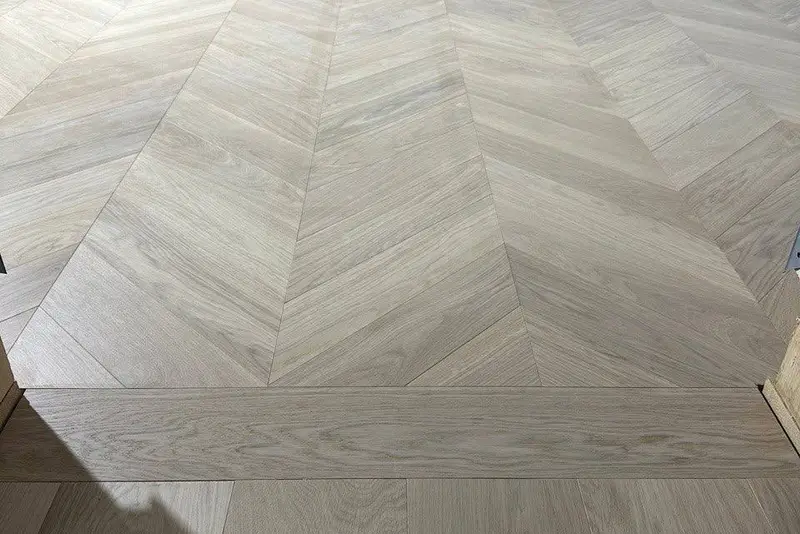
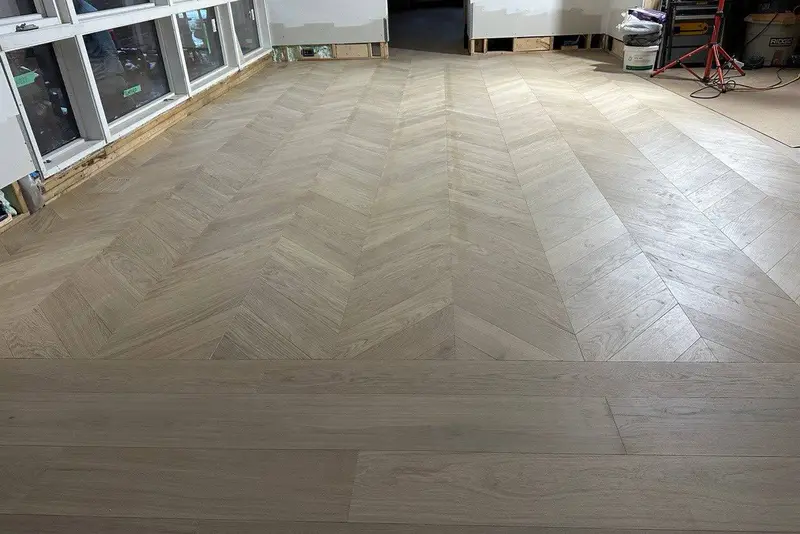
Mississauga · Chevron
Mississauga Chevron — Soft White
Mississauga chevron feature or whole-room install — precise mitres, batch-locked stain, UV-cured finish.
9 photos
AB
nail-down
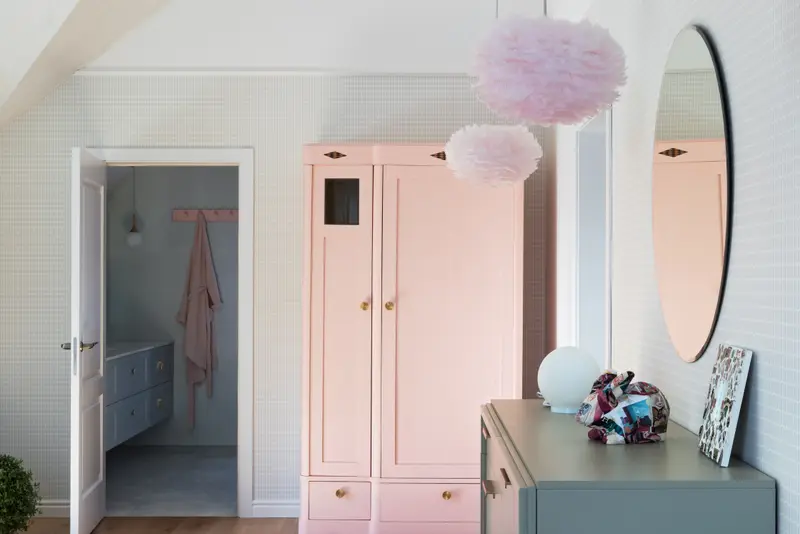
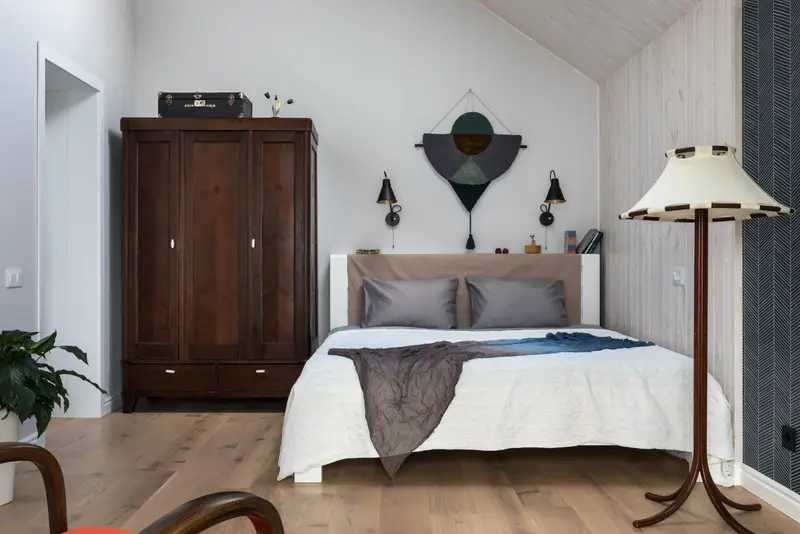

Richmond Hill · Straight Plank
Richmond Hill Straight Plank — Warm Buff
Richmond Hill straight-plank engineered oak renovation — supply, acclimation, and method matched to subfloor.
9 photos
ABC
nail-down
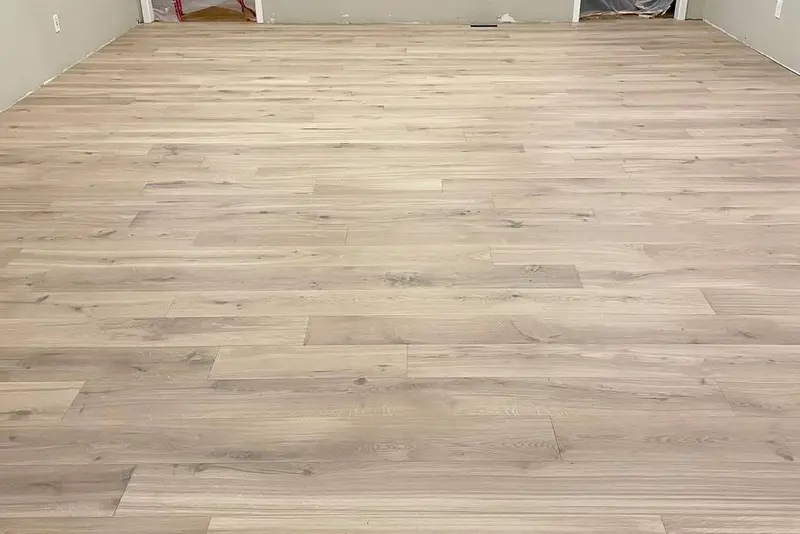
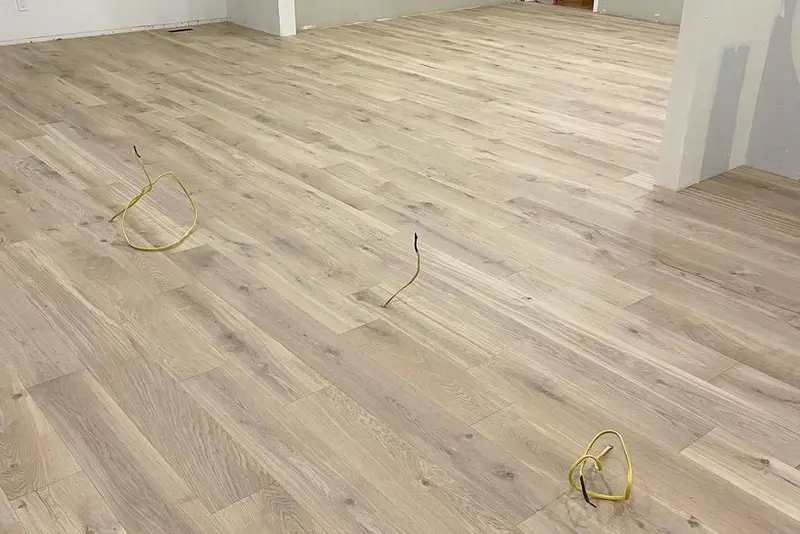
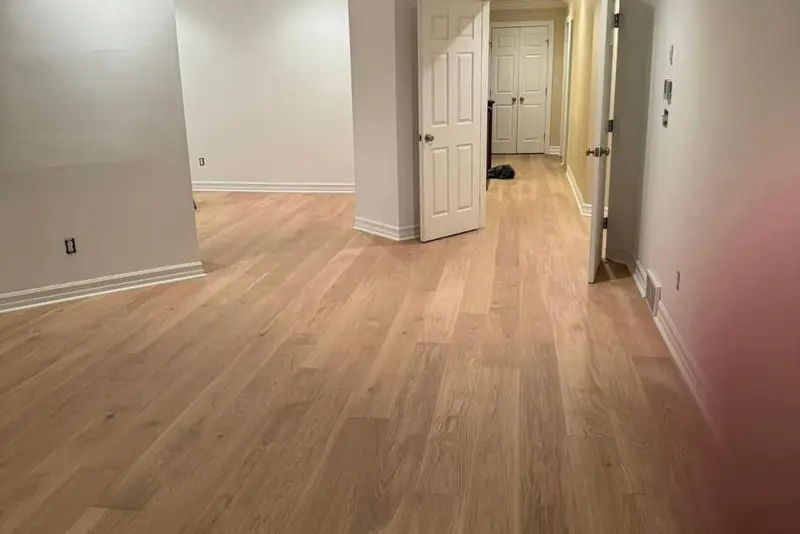
Hamilton · Straight Plank
Hamilton Straight Plank — Warm Buff
Hamilton straight-plank engineered oak renovation — supply, acclimation, and method matched to subfloor.
8 photos
ABC
nail-down
European white oak • free stain matching — our team will reach out shortly.